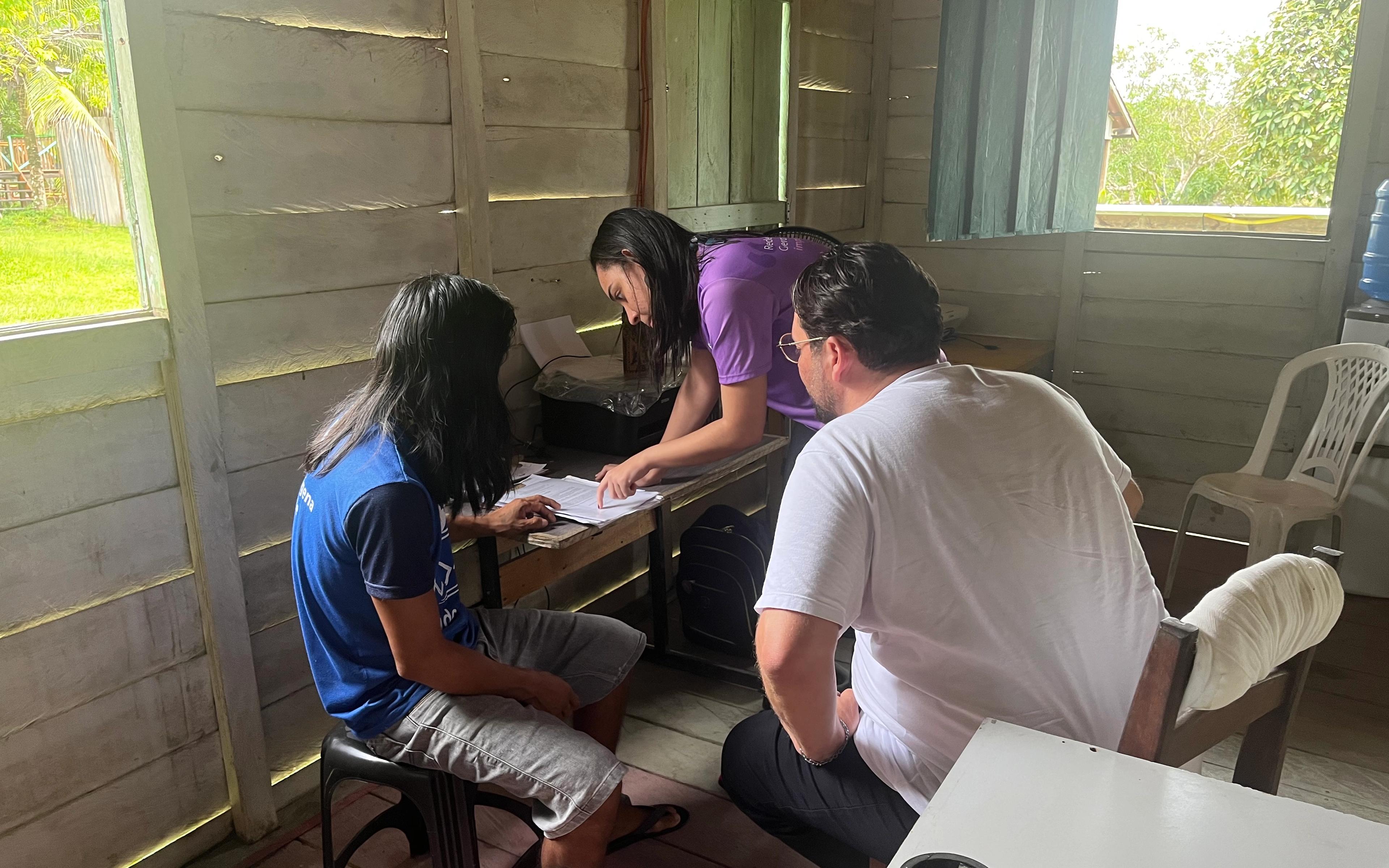
Mental health in the corporate environment: why caring for emotional well-being became a strategy for innovative companies
Organizations that invest in their employees' mental health reduce absences, strengthen productivity, and build healthier, more sustainable work environments.
9 min read

Mental health is no longer a benefit; it has become a business strategy
For a long time, talking about mental health in the workplace was a topic restricted to Human Resources departments or addressed only when critical situations arose.
Today, that scenario has changed.
Companies of all sizes have realized that caring for employees' emotional well-being is not just an act of social responsibility. It is a strategy capable of generating better results, strengthening organizational culture, and increasing competitiveness.
In a market marked by rapid transformations, constant innovation, and new ways of working, the best-prepared organizations are those that understand that emotionally healthy people make better decisions, work more collaboratively, and stay more engaged with their goals.
In this context, investing in mental health is no longer a differentiator and has become part of the strategy of companies that want to grow sustainably.
The impact of mental health on organizations
Problems related to mental health directly affect productivity, the quality of working relationships, and team performance.
Chronic stress, anxiety, emotional exhaustion, and other psychosocial factors can contribute to:
- increased absenteeism;
- presenteeism (when the employee is present but with low performance);
- higher staff turnover;
- reduced engagement;
- increased internal conflicts;
- a decline in innovation and creativity;
- rising health-related costs.
In addition to the financial impacts, emotionally unhealthy environments compromise trust between teams and make it harder to build a healthy organizational culture.
That is why innovative companies have come to understand that investing in caring for people also means protecting the sustainability of the business itself.
What has changed in recent years?
The pandemic accelerated a transformation that was already underway.
Issues such as work-life balance, psychological safety, diversity, inclusion, and quality of life began to take their place in organizations' strategic decisions.
At the same time, employees began to value companies that show genuine concern for their human development.
Today, traditional benefits are no longer enough to attract and retain talent.
People are looking for environments where they can grow professionally without giving up their own health.
This shift has made structured mental health programs go from being isolated initiatives to becoming part of people management strategies.
The new reality of Brazilian companies
In Brazil, attention to psychosocial risks gained even more relevance with the update of regulations related to occupational health and safety.
Organizations have begun to broaden their view of factors such as work overload, harassment, interpersonal conflicts, excessive pressure, lack of autonomy, and other elements capable of impacting workers' mental health.
More than complying with legal requirements, companies have realized that preventing emotional illness reduces costs, strengthens institutional reputation, and improves the employee experience.
Investing in prevention is more efficient than dealing with the impacts of illness after they happen.
What characterizes a psychologically healthy environment?
Building a healthy organizational culture requires continuous action.
Among the main practices adopted by innovative companies are:
- mental health promotion programs;
- psychological care and support channels;
- training leaders for humanized management;
- clear policies for preventing harassment;
- encouragement of work-life balance;
- development of social and emotional skills;
- promotion of diversity, equity, and inclusion;
- active listening to employees;
- periodic organizational climate surveys.
More than offering benefits, these initiatives show that care is part of the organization's culture.
The role of leadership
No mental health strategy works without the involvement of leaders.
Managers are responsible for creating environments of trust, identifying signs of overload, promoting respectful dialogue, and fostering a culture in which asking for help is not a reason for stigma.
Well-prepared leaders are able to build more resilient, collaborative, and innovative teams.
At the same time, they also need to be taken care of.
After all, those who lead people face constant challenges related to decision-making, conflict management, and achieving results.
Investing in the emotional development of leaders strengthens the entire organization.
Mental health is also a strategic topic for ESG
Increasingly, investors, boards of directors, and institutional partners consider caring for people an essential part of sustainability strategies.
Mental health is directly related to the Social and Governance pillars (ESG), influencing indicators such as talent retention, diversity, institutional reputation, and risk management.
Organizations that invest in emotional well-being demonstrate a commitment to more ethical, inclusive, and sustainable working relationships.
More than a trend, this approach reflects a new way of understanding the role of companies in society.
How Rede Autoestima-se supports companies
At Rede Autoestima-se, we believe that healthy work environments are built through prevention, education, and continuous care.
That is why we develop solutions for organizations that want to strengthen their teams' mental health and promote psychologically safe environments.
Our services include:
- assessment of psychosocial risks;
- lectures and educational campaigns;
- mental health promotion programs;
- leadership training;
- social and emotional education;
- actions aimed at preventing emotional illness;
- consulting to strengthen organizational culture.
Each project is developed considering the specific needs of each organization, combining technical knowledge, scientific evidence, and a focus on results.
The future of work will be increasingly human
Technology, artificial intelligence, and innovation will continue to transform the way we work.
But there is one factor that will remain essential in any organization: people.
Companies that want to grow sustainably will need to invest not only in technology, but also in human development.
Creating environments where employees can work with psychological safety, emotional balance, and a sense of belonging is no longer just an ethical responsibility. It has become a strategic decision.
Mental health is one of the main assets of an innovative organization.
Caring for people means strengthening teams, driving results, and building companies prepared for the challenges of the present and the future.
Text size
Share